What Alienation Actually Looks Like
When Something Starts to Feel Off
For many fathers, the first sign is not something obvious or dramatic. It’s a feeling. A sense that something in the relationship has shifted. Conversations become shorter. Warmth fades. Contact feels strained or inconsistent.
You might find yourself questioning your own perception. Wondering whether this is just a phase, part of growing up, or something more. That uncertainty is common.
At SoulForge, we encourage you not to ignore that instinct — but also not to jump to conclusions. What matters is paying attention to patterns over time, rather than reacting to a single moment.
For some men, the early signs are even more direct than that. A partner who runs to the children crying after an argument, complaining about you to them. Small moments of being undermined in front of your kids. A slow drip of being painted as the problem. You might recognise these as inappropriate at the time, even know that grown-ups shouldn't draw children into adult conflict — but not yet see them as the early stages of something more deliberate. That recognition often only comes later, looking back.

Clarity doesn’t come from reacting to one moment. It comes from noticing what repeats.

Changes in Your Child’s Behaviour
One of the clearest indicators is a shift in how your child relates to you. This can take different forms depending on their age and personality, but the underlying pattern is a change in connection.
A child who was once open may become distant or withdrawn. Communication may feel forced or superficial. In some cases, a child may begin to express anger, criticism, or rejection that feels out of proportion or difficult to understand.
Sometimes, the language a child uses can feel unfamiliar — as though it reflects adult concerns rather than their own experience. In other cases, they may seem guarded, as if they are careful about what they say or how they behave around you. Sometimes the words a child uses don't sound like theirs at all — they sound like accusations, framings, or grievances borrowed wholesale from the other parent.
These changes don’t always mean alienation is happening. Children respond to many pressures — separation, conflict, adolescence, or emotional strain. But when the shift is persistent and unexplained, it’s worth taking seriously.
Patterns Around Contact and Access
Another area to pay attention to is how contact happens — or doesn’t happen.
You may notice that time with your child becomes irregular, reduced, or dependent entirely on your effort to maintain it. Plans might frequently change or fall through. Communication may feel one-sided, with you doing most of the initiating.
In some situations, practical barriers play a role — distance, cost, or logistics. In others, there may be a lack of encouragement from the other parent, or a sense that maintaining the relationship is not being supported.
Over time, even small disruptions can accumulate. Without consistent support and structure, the relationship can begin to weaken, not through a single event, but through gradual erosion.
One pattern many men recognise: agreements that are made and then unmade. Rearranged at the last minute. Switched between days. Rules that change without notice. The cumulative effect is a slow message — that your access to your children is contingent on the other parent's mood, not on what's right for the children. Each individual change can be explained away. The pattern over time is what you're looking at
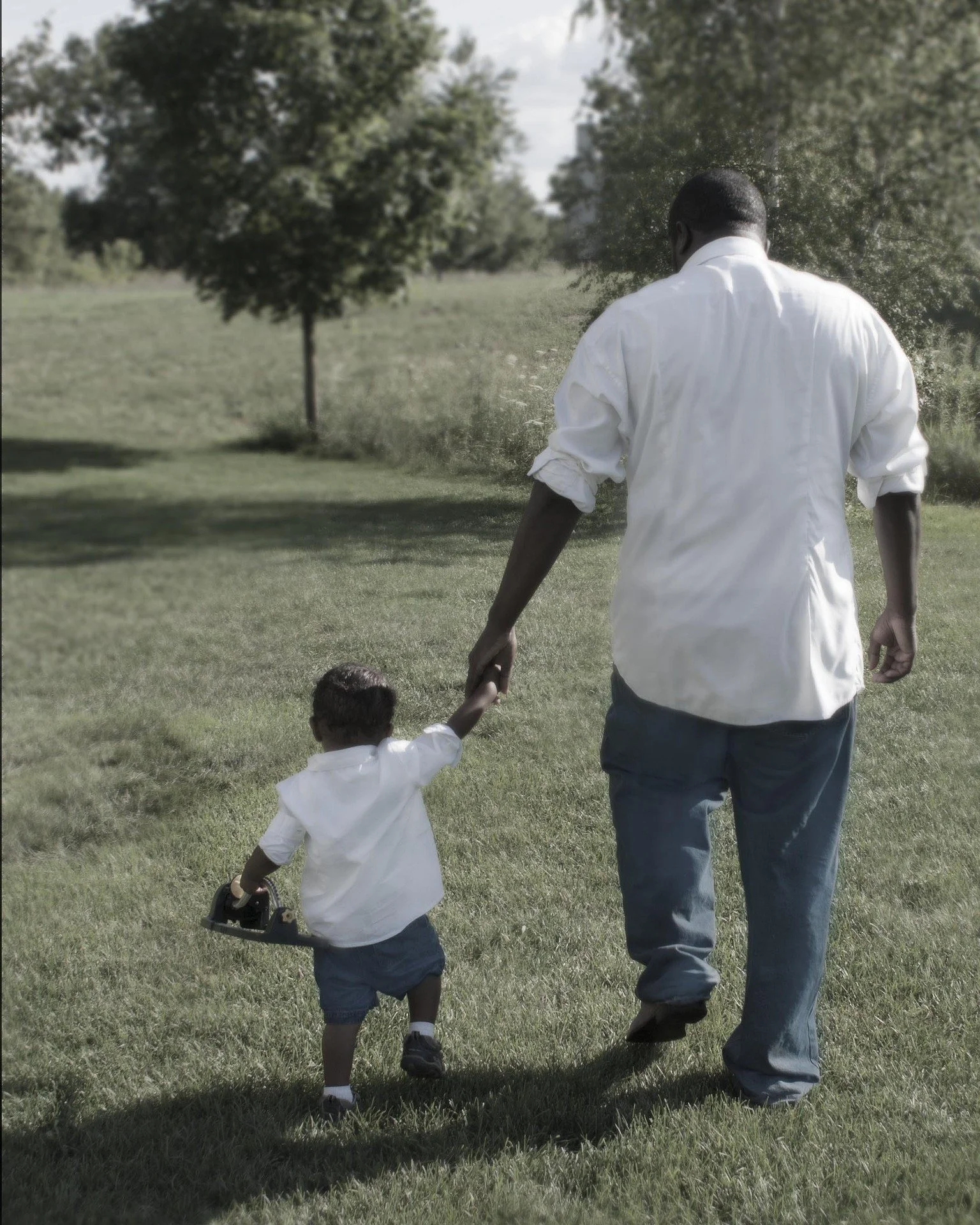
Research consistently shows that children are far more likely to maintain strong relationships with both parents when those relationships are actively supported by both sides.

The Child Caught in the Middle
Children are highly sensitive to the emotional environment around them. When there is tension, conflict, or imbalance between parents, they can feel caught between two worlds.
This can lead to subtle but powerful changes. A child may avoid expressing affection openly, particularly if they feel it might upset the other parent. They may align themselves with one parent, not out of rejection, but out of a need for stability or approval.
In some cases, they may begin to withdraw from one relationship in order to reduce internal conflict. This is not a conscious decision — it is often a coping mechanism.
Understanding this is important. It shifts the focus away from blame and toward awareness. Your child’s behaviour, even when painful, is often a response to pressure rather than a clear reflection of how they truly feel.
Recognising Without Reacting
Seeing these patterns can be difficult. It can trigger anger, fear, or a strong urge to act quickly and force change.
But this is where many situations escalate. Reacting emotionally — especially in frustration or panic — can unintentionally reinforce the distance you’re trying to close.
The SoulForge approach is different.
You start with awareness. You observe patterns. You ground yourself before deciding what to do next.
Not every sign means alienation is taking place. But when patterns persist, it becomes important to respond with clarity and intention — not impulse.