The Impact on Fathers
A Loss That Doesn’t Have a Name
For many fathers, this experience is not just difficult — it’s disorienting. You are still a parent. Your child is still alive. And yet, the relationship you once had begins to slip out of reach.
There is no clear ending, no defined moment of loss. Instead, it happens gradually. Calls become less frequent. Time together reduces. Conversations lose their depth.
This is often described as ambiguous loss — a form of grief without closure. You are left holding onto something that still exists, but no longer feels accessible in the same way.
For many men it shows up physically. A weight on the chest, especially in the early days. Waking in the small hours with a feeling of dread. Bursting into tears for no apparent reason — sometimes years into the situation. Some find they can't keep photographs of their children up at home, because the daily reminder of who they were and what's now missing is too much to carry. The grief is real, even if no one has died.
That can be one of the hardest things to process. Because there is no clear place to put the grief.
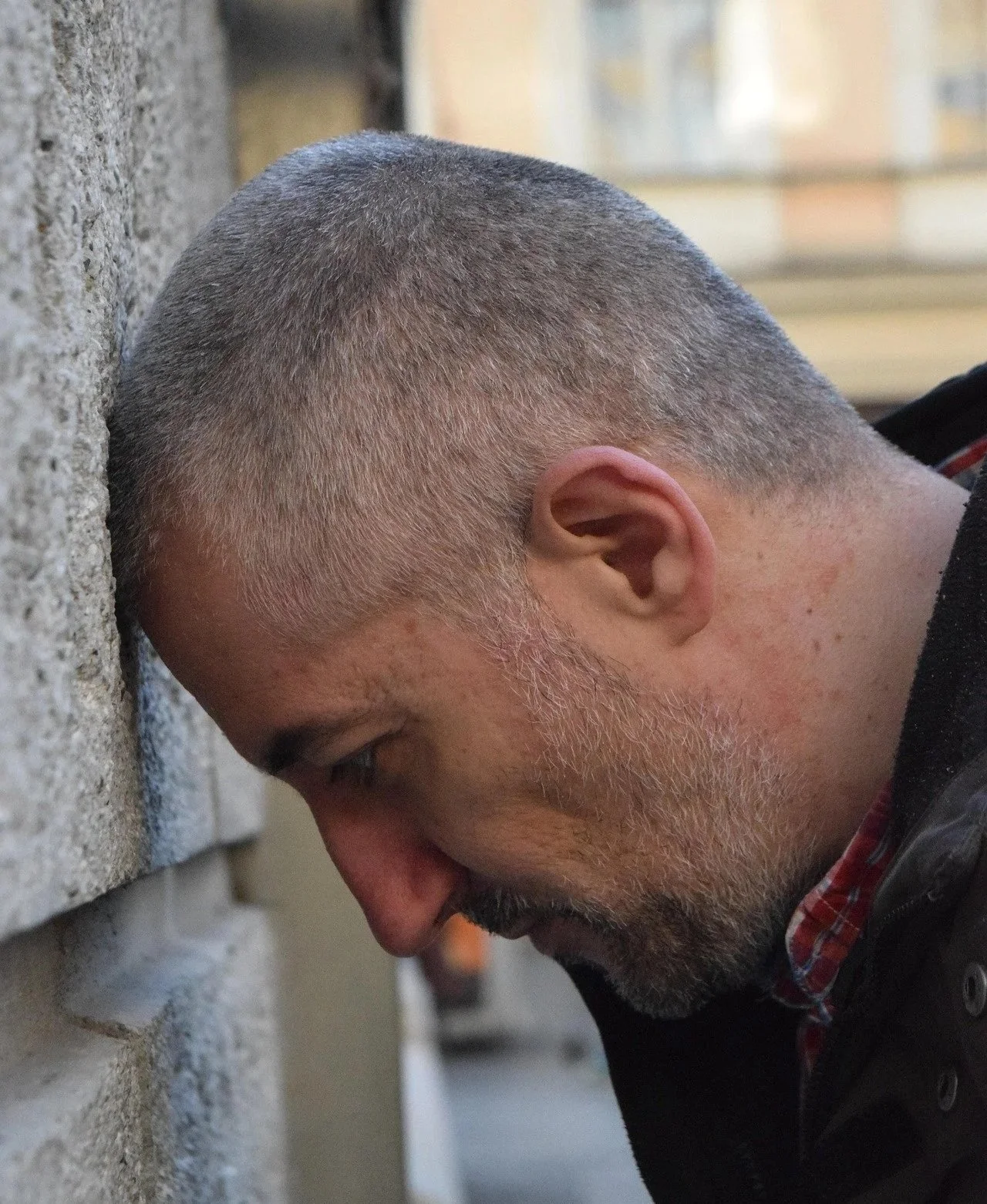
“It’s not just the loss of time. It’s the loss of what that time meant.”
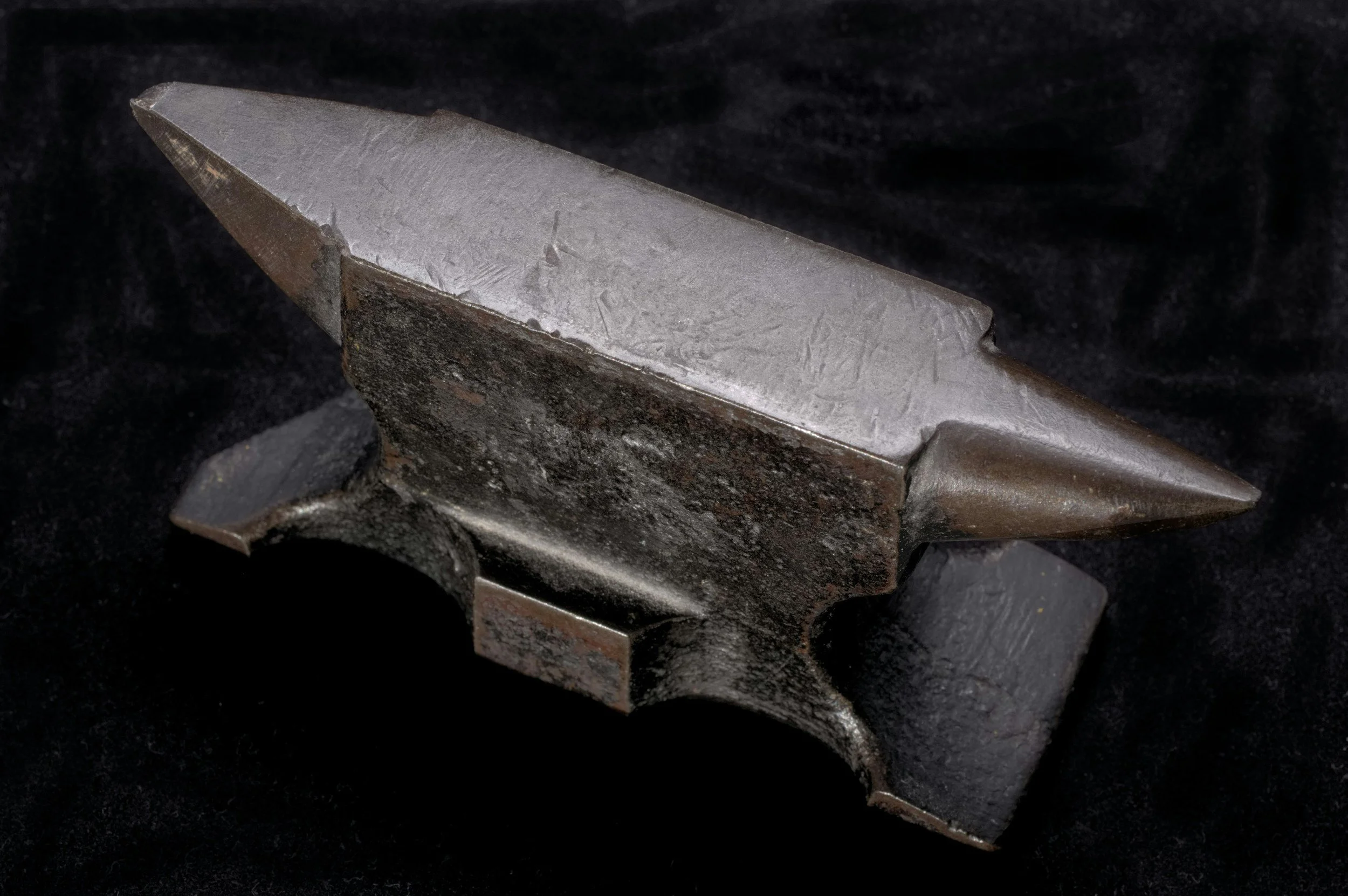
The Quiet Weight of It
A lot of men carry this silently. On the surface, life continues — work, responsibilities, daily routines. But underneath, there is a constant weight.
You may find yourself replaying conversations, questioning decisions, wondering what you could have done differently. There can be a strong pull toward self-blame, even in situations where much was outside your control.
Many men describe learning to think about their children in small chunks rather than letting the full weight of the loss land all at once.
At the same time, there may be frustration — sometimes anger — at how things have unfolded. That mix of emotions can be difficult to hold. Many men don’t feel they have a place to express it openly.
So it stays internal. And over time, that takes a toll.
When the Body Carries It Too
The weight of parental alienation often shows up in the body in ways men don't always connect to what they've been through. Waking in the early hours with a racing heart and a sense of dread. Intense, confused dreams about your children, or about the relationship that led to all this. A heightened startle response. Difficulty regulating emotion. These are not signs of weakness. They are recognised responses to prolonged stress — what some researchers describe under the term Complex PTSD.
If you recognise yourself in any of this, it's worth speaking to your GP or a qualified trauma therapist. SoulForge is not a clinical service, and the right support for these symptoms is professional. But naming what's happening — understanding it as a normal response to deeply abnormal circumstances — is often the first step.
The Impact on Identity
Being a father is not just a role. It’s part of how many men understand themselves.
When that relationship is disrupted, it can feel like something fundamental has been shaken. You may start to question your value, your place in your child’s life, even your sense of purpose.
This is especially true when contact becomes inconsistent or is no longer within your control. It can leave you feeling side-lined — as though your role has been reduced, or is dependent on circumstances you cannot influence.
At SoulForge, we take this seriously. Because rebuilding resilience starts with stabilising identity.
You are still a father.
That does not change because circumstances have shifted.


Anger, Helplessness, and Control
It would be unrealistic to talk about this without acknowledging anger. Many men feel it — sometimes sharply.
Anger at the situation.
At the other parent.
At systems that feel slow or ineffective.
At the sense of powerlessness.
The danger is not the feeling itself — it’s what happens when it takes over.
Acting from anger can escalate conflict, damage communication, and in some cases, make it harder to maintain or rebuild the relationship with your child.
The alternative is not suppression. It’s control.
The SoulForge approach is simple, but not easy:
You learn to recognise the emotion, hold it, and choose your response deliberately.
That is where strength is built.
“You don’t control the situation. But you do control the standard you hold yourself to.”
Holding Your Ground
This situation can pull you in different directions. Toward withdrawal. Toward confrontation. Toward giving up altogether.
But there is another path — one that requires steadiness.
Holding your ground means staying present in your child’s life where you can. It means acting with consistency, even when it feels like it’s not being recognised. It means keeping your behaviour aligned with the kind of father you want to be, regardless of the circumstances around you.
This is not about passive acceptance. It’s about disciplined response.
Because the way you carry yourself now — the patience, the consistency, the restraint — all of it shapes what is still possible in the future.