being dad
(Being Their father, even when you can't be there)
Your Role and Identity as a Father
When contact with your children becomes limited, or the relationship feels strained, it can feel like your role as their father is slipping away. It isn't.
Being a father is not measured only in hours spent together. It is measured in how you carry yourself, the standards you hold to, and the steadiness you maintain over time — even when none of that is being seen, returned, or acknowledged. The role doesn't end because circumstances have changed. It just looks different. And it asks more of you, quietly, than you might have expected.
Holding onto that identity — knowing that you are still their father — is the foundation for everything else.
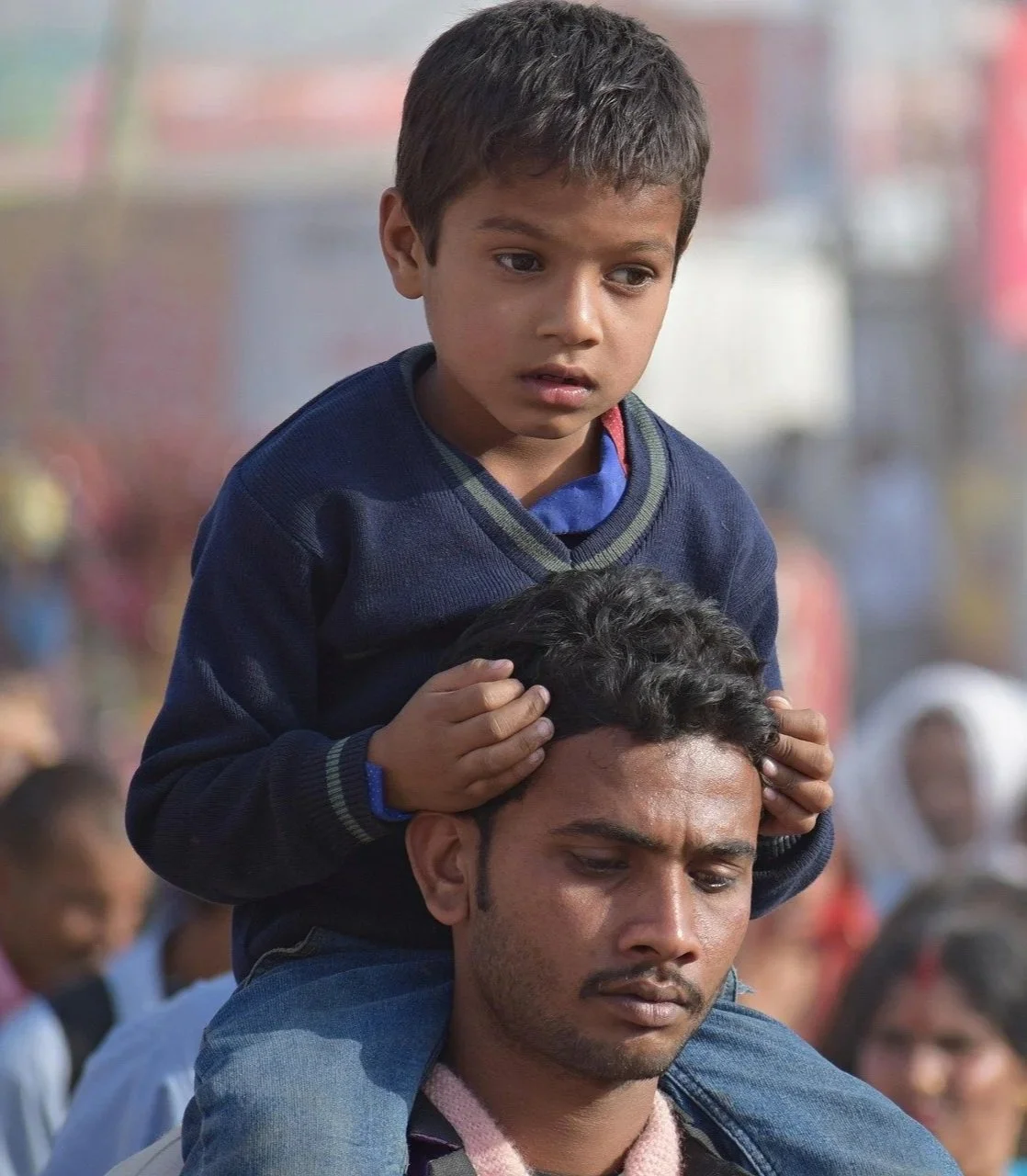
“Any man can be a father, but it takes someone special to be a dad.” — Anne Geddes

Thinking Long-Term
It can be easy to focus on the immediate challenges — missed time, limited contact, or distance. Yet relationships with children are built over years, not moments. Your influence persists even when it feels invisible.
Taking the long view means acting with consistency, restraint, and steadiness now to protect the relationship for the future. How you respond in difficult moments shapes the trajectory of your bond over time. Patience and deliberate action, rather than reaction, create the most enduring outcomes.
Children don’t always understand in the moment. But they do remember who was steady.
Showing Up, Even From a Distance
When you have contact — whether often or rarely — what matters is the quality of your presence. Children notice tone, attention, and calm before they register the words. The temptation to correct, explain, or push for more closeness in those moments is real. But often what serves the relationship best is simply being there, fully, and letting that be enough.
And when you don't have direct contact at all — when your only route is letters that may or may not be answered, parcels that may or may not be acknowledged, birthdays and milestones marked from a distance — that effort still matters. It may not feel like it. There may be days when you're tempted to stop. But the act of continuing to show up, even with no return, is itself a statement: that you are still their father, that the door is open, that you have not given up on them. They will know that one day, even if they cannot acknowledge it now.

“Children are educated by what the adult is and not by his talk.” — Carl Jung
Emotional and Practical Strength
Being a father in these circumstances asks for resilience — emotional, mental, and practical. There will be days you doubt yourself. Days when your role feels invisible. Days when the absence of return makes you question whether any of this matters. Investing in your own health, mindset, and routines is not a distraction from being a dad. It is part of being one. The steadier you are, the more securely your children will be able to come back to you, in whatever form that takes.
Strength here doesn't mean suppressing what you feel. It means being able to feel it and not be ruled by it. Learning to recognise frustration, anger, and grief, and choosing how to respond rather than being driven by them. Stability on your part is what makes you available to them — now, and in the future.
Next Steps and Support
You don't have to carry this alone. Peer support, trusted friends, structured spaces — all of these can help. Our Support & Recovery section offers more on the longer-term work of staying grounded, rebuilding strength, and continuing to be the father your children need, whatever the circumstances