Grief, Loss, and Reality
Facing what has been lost
After recognising what has happened, there often comes a quiet but powerful sense of loss. This isn't always about relationships alone. It can be the loss of trust, of a predictable life, of daily routines, of the future you'd imagined. Some losses are clear and nameable — children alienated, a marriage ended. Others are quieter and harder to articulate — the erosion of respect, the disappearance of a version of yourself.
Grief in these situations is rarely linear. It can wash over you when you least expect it, sometimes as anger, sometimes as numbness, sometimes as tears that come from nowhere. These reactions are real. They're not a sign of weakness or breakdown. They're the natural cost of losing things that mattered.
‘The weight on my chest, especially in the early days. Waking in the small hours with a feeling of dread. Bursting into tears for no obvious reason, sometimes years into the situation. I stopped keeping photographs of my sons up at home because the daily reminder of what's now missing was too much. There is grief in this, and it is the grief of a living bereavement" — Mike, SoulForge Community founder.

“Men often struggle to express grief, but it is as real and valid as any other response to trauma.” — Men’s Health Forum
Understanding Ambiguous Loss
Ambiguous loss is particularly common in parental alienation and emotionally controlling relationships. It is the type of loss that has no closure, no clear boundaries, and no ritualised way to process. You may feel grief for a child’s absence, for lost companionship, or for a sense of self that no longer feels intact.
Unlike straightforward bereavement, this kind of grief doesn't have societal recognition. There's no funeral, no acknowledgement, no shared mourning. You may carry it largely in private, sometimes for years. Knowing your feelings are valid — even if others can't see them — is the first step. The second is finding ways to hold them without letting them quietly take over the parts of your life that are still standing.
Anger, Sadness, and the Emotional Landscape
Grief is rarely quiet. Anger may flare at injustice, at yourself, at the people who caused harm, at a system that failed you. Sadness can come in waves that arrive without warning. Some men describe a confusing mixture — rage at loss intertwined with guilt for feeling that rage, or grief for a relationship that was also abusive, which is a strange and complicated kind of mourning.
These emotions aren't signs of failure. They're proof that something real happened, and that you're not numb to it. Felt and observed, they can become useful — telling you what matters, what's unresolved, what needs attention. Pushed down or ignored, they tend to find other ways to show up. Journaling, structured reflection, or talking with someone trained in trauma recovery can help — not as a cure, but as a way of keeping moving.


Navigating the Ripple Effects
The impacts of grief often extend into daily life. Sleep may be disrupted, appetite can fluctuate, and previously manageable responsibilities may feel overwhelming. Relationships with friends, family, or colleagues can strain as others fail to grasp the depth of what you’re experiencing.
At this stage, small anchor points matter — a regular walk, getting outside, basic structure to the day, time spent doing something that asks for your attention. These aren't about 'getting over it.' They're about giving yourself enough steady ground that the emotions don't sweep you off your feet. Slowly, that steadiness becomes the platform on which the rest of the work happens.
Recognising What You're Actually Dealing With
One thing worth saying clearly: not all distress is the same. If you go to a GP looking for help, the most commonly offered intervention is some form of CBT or anxiety management — which is genuinely useful for some things, and the wrong tool for others. Grief and bereavement are different from depression or anxiety, even though they can look similar from the outside. CBT may not help you process what is fundamentally an experience of loss.
Knowing what you're actually dealing with shapes what kind of support is likely to help. Grief asks for room to be felt, witnessed, and integrated — not techniques for managing intrusive thoughts. If formal support isn't reaching the right thing, it may be worth specifically looking for grief or bereavement counselling, or for therapists who work with trauma rather than general low mood.
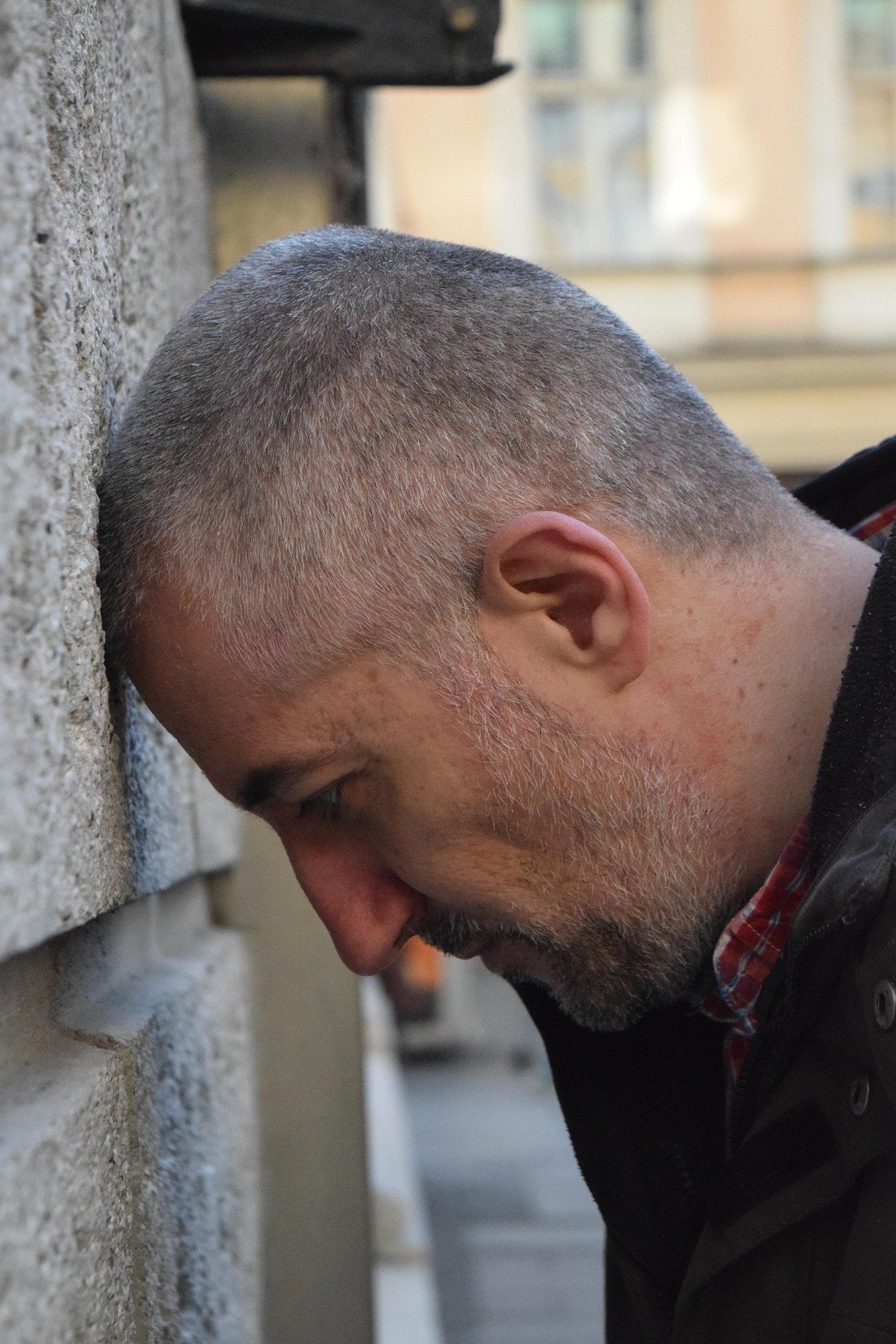
Statistics from the Office for National Statistics show that approximately 1 in 6 men experience some form of domestic abuse in their lifetime, highlighting the prevalence and the need to acknowledge and process its consequences seriously.
Preparing for the Next Step
Grief and loss are not endpoints — they are part of a process that informs how you move forward. Recognising what has been lost allows you to reclaim control over areas where you still have influence. It also prepares you to stabilise routines, rebuild your sense of self, and identify support systems that truly help.