
Showing Up for Your Children
Stability, presence, and protecting your relationship during difficult times
Whatever your contact arrangements look like — whether you see your children regularly, occasionally, or not at all — your role as their father continues. Showing up is the work. This page is about what that actually looks like, in practice, over the long term.
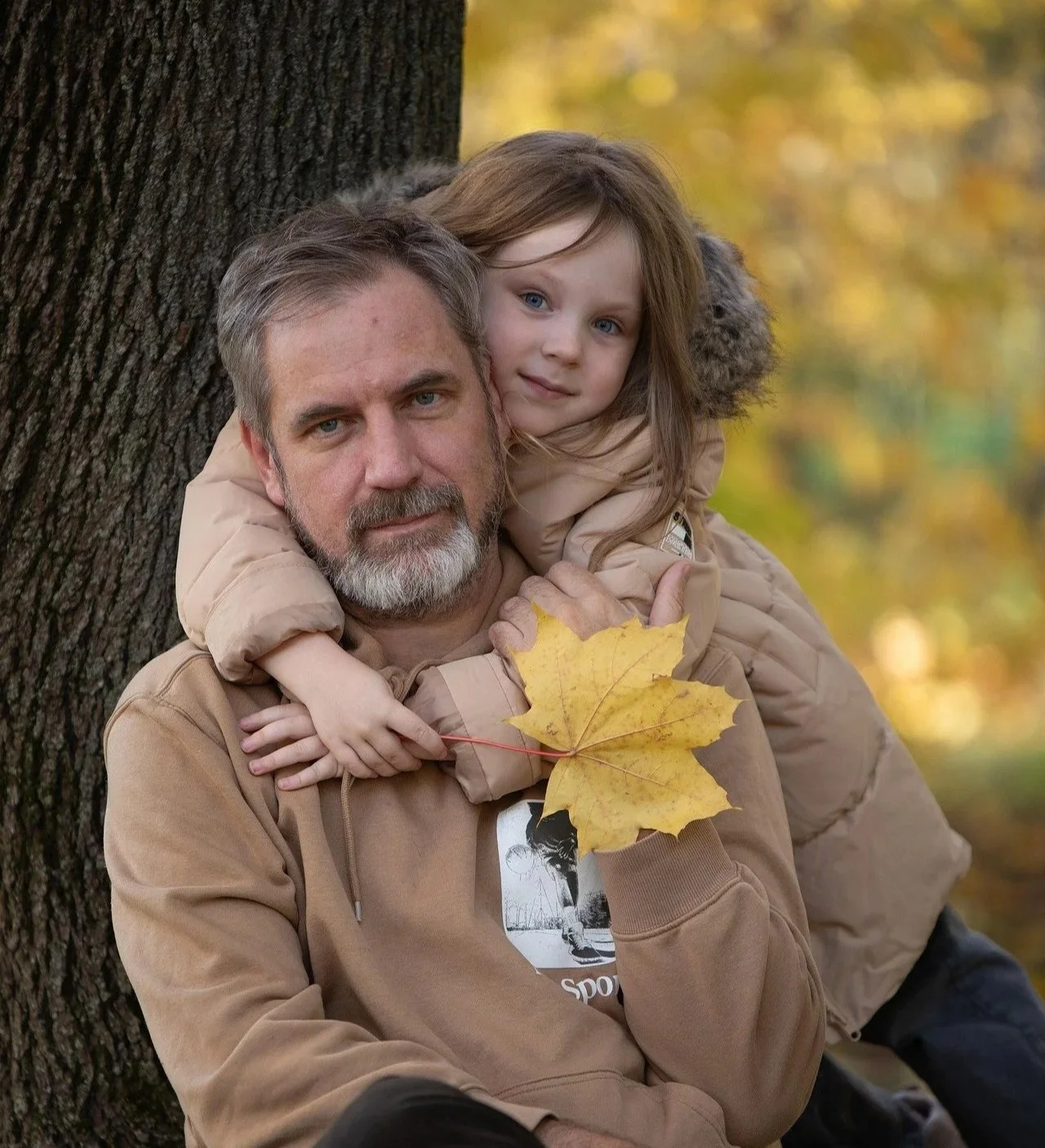
The principle
Being a father isn't measured only in hours spent together. It's measured in how you carry yourself, the standards you hold to, and the steadiness you maintain over time — even when none of that is being seen, returned, or acknowledged.
Your role doesn't end because circumstances have changed. It just looks different. And it asks more of you, quietly, than you might have expected.
Holding onto that identity — knowing that you are still their father — is the foundation for everything else.
When you have contact
If you see your children regularly, the principle is simple but not always easy: be fully present.
Notice what kind of presence you're offering. Children pick up tone, attention, and calm before they register words. Tired, distracted, anxious presence is something they feel even when you don't think you're showing it.
Resist the temptation to discuss adult issues with them. Don't complain about their other parent. Don't share legal details. Don't make them carry your grief. They are children. Let them be.
Be calm at handovers. Even when the other parent isn't. Handovers are one of the most visible moments to your children — how you behave there shapes how they understand you.
Make ordinary moments matter. Walks, meals, ordinary days. You don't need to make every visit special. Steady, predictable, attentive presence is what builds the relationship over time.
Be reliable. Turn up when you said you would. Do what you said you'd do. Children remember inconsistency more than they remember treats.
When contact is limited
If contact is restricted to certain hours, supervised settings, or specific arrangements, the principle is the same: be fully present in the time you have. Make it count without making it weighty.
Don't overcompensate. Trying to pack everything into a short visit can make it feel forced. Let some time just be quiet and ordinary.
Mark the time without dramatizing it. Don't make every contact feel like the last. Be warm, normal, present. Treat it as part of an ongoing relationship, not a desperate event.
Respect any constraints. If contact is supervised or conditional, follow the conditions. Pushing against them rarely helps and can damage your position.
When contact is rare or non-existent
Some men, through alienation, distance, or legal restrictions, have very limited or no direct contact. The work of being a father continues — it just takes a different form.
Letters and cards.
Regular, low-pressure, warm. Don't write essays. Don't demand replies. Don't make them feel they have to respond to be loved. Just keep showing up.
Small gifts and parcels.
Things you think they'd enjoy. Books, art supplies, small things tied to their interests if you know them. Marking birthdays, Christmas, milestones. The effort itself is the message.
Humour and shared things.
Small in-jokes that have continuity over time can carry connection even when bigger conversations aren't available. A nickname. A drawing. A reference. Children often respond to these even when they can't respond to direct emotional content.
The aim is the message itself, not the response.
Don't gauge your effort by whether you get acknowledgement. Acknowledge sometimes comes years later — or not at all. The point is that they know you didn't give up on them.
The discipline of consistent effort without reward
This is the hardest part. Sending letters that aren't answered. Marking birthdays and getting nothing back. Continuing to show up when there's no visible response.
Discipline, in the deep sense, is what keeps you going. Not the warm pull of obvious reward. The cold, steady decision to keep doing the right thing because it is right, regardless of what comes back.
The reasons it's worth doing:
You are still their father. That fact doesn't change.
You don't know how it's landing. Even unanswered messages may be doing significant work in their understanding of who you are.
They are children, often under pressures you can't fully see. Their lack of response is not the same as their lack of feeling.
You are showing up for the men they will become, not just the children they are now.
It's the right thing to do. That alone is enough.
Don't expect emotional depth from children's communication
Children — especially those caught in conflicted situations — often communicate flatly. Short messages. Few emotions. Matter-of-fact tone. This isn't necessarily what they actually feel. It may be:
A survival strategy. Their own emotional self-defence.
A response to pressure from the other parent.
A way of holding contact open without being seen to "side" with you.
Just how children that age communicate.
Don't read flatness as rejection. Look for the small signs of warmth — a returned joke, an unexpected detail, a question that suggests they're thinking about you. Those small things are often where the relationship is actually being kept alive.
Looking ahead to when they're older
In England and Wales, child arrangements orders cease to have effect when a child turns 16. Once they're 16, they can make their own decisions about contact, without needing anyone else's permission.
This matters. Many men in long alienation situations are essentially waiting for this moment — hoping their children will eventually choose to reach out once they're free to.
Some children do. Some don't. Some take much longer. But the relationship you've maintained — even at a distance, even with no apparent reward — is what they'll have to come back to, if and when they're ready.
What you're really building
The visible part of fathering at a distance is the letters, the parcels, the messages, the showing up. The deeper part is who you are becoming through it all.
The man your children see now — over years — will eventually become part of how they understand who you are. The steadiness you build. The character you hold to. The way you handle the unfairness. The fact that you didn't give up.
That's what you're building. Not just for them. For yourself.
You are still their father. That doesn't change.
Where this leads next
Once this starts to settle, the focus begins to shift again. It becomes less about managing individual interactions and more about rebuilding your own sense of stability, identity, and direction in a way that supports both you and the people around you.
Next: BUILDING RESILIENCE